The Easiest Way to Track Home Expenses and Control Grocery Spending
CanDev Team
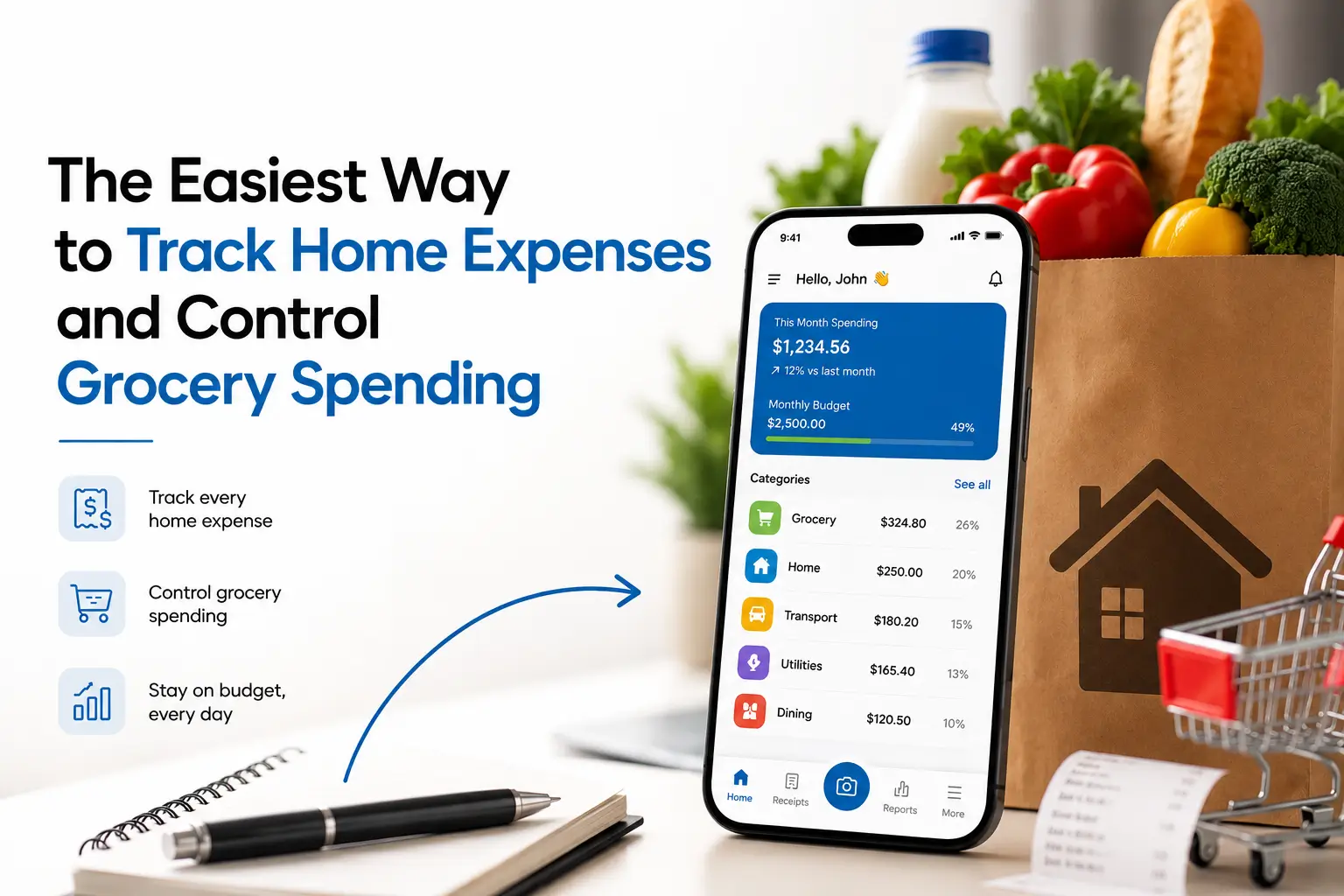
Table of contents
Struggling to track home expenses? The easiest household budget app to manage grocery spending, cut costs, and stay on top of your household budget.
If you have ever reached the end of the month and wondered where all your money went, you are not alone. A 2026 survey found that 83% of Americans who set a budget still overspend. Nearly half the country is living paycheck to paycheck, and grocery prices continue climbing, with the USDA projecting a 3.2% increase in food-at-home prices in 2026.
The problem is rarely about earning too little. It is about not knowing where the money goes. And the fix is simpler than most people think: a household budget app that tracks your home expenses automatically and helps you control grocery spending before it gets out of hand.
This guide covers how to track household expenses, how to spend less on groceries, what to look for in a home budget app, and how to build a system that actually sticks.
Why Most Households Struggle with Money
Setting a budget is the easy part. Following it is where everything falls apart.
Here is why. Most people create a budget at the start of the month, then go about their lives without checking it until the damage is done. They swipe their card 40 or 50 times, buy coffee, pick up groceries, pay a subscription they forgot about, and by mid-month, the budget exists only on paper.
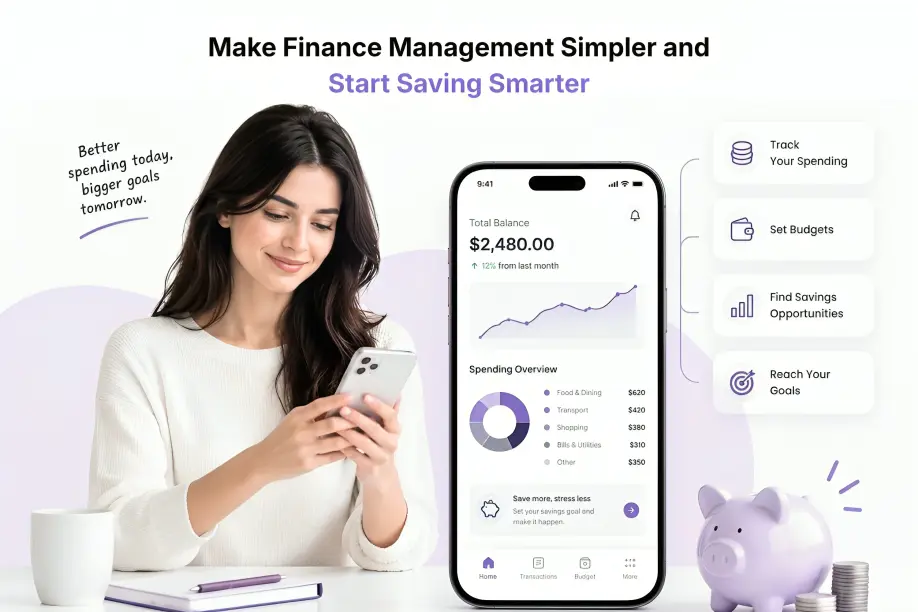
The missing piece is real-time tracking. You need to know where you stand today, not on the 30th when the bank statement arrives. A household budget tracker solves this by recording every expense as it happens, categorizing it, and showing you exactly how much room you have left in each category.
Without this visibility, overspending is almost guaranteed. With it, you can catch problems early and adjust before they snowball.
How Much Does the Average Household Actually Spend?
Understanding where the average household's money goes helps you benchmark your own spending.
According to USDA data and consumer spending research, the average American family of four spends between $1,028 and $1,662 per month on groceries alone, depending on diet and region. For a single person, that number sits around $485 per month on a moderate-cost food plan. Two adults average about $895 per month.
But groceries are just one piece. The average American household spends 33.2% of its income on housing. Add utilities, transportation, subscriptions, insurance, and miscellaneous expenses, and most families are working with very thin margins.
This is exactly why a home expense tracker app matters. When you can see every category of spending in one place, you can spot the areas where small changes make the biggest difference.
How to Track Home Expenses
Tracking home expenses does not need to be complicated. But it does need to be consistent. Here is how to set up a system that works.
1. Pick One Tool and Stick with It
The biggest mistake people make is splitting their tracking across multiple tools. Bank app for some things, spreadsheet for others, sticky notes for cash purchases. This creates blind spots.
The best home budget app puts everything in one place. Every purchase, every bill, every subscription. When all your expenses live in a single app, you get a complete picture of your spending, not a fragmented one.
2. Track Every Expense at the Point of Purchase
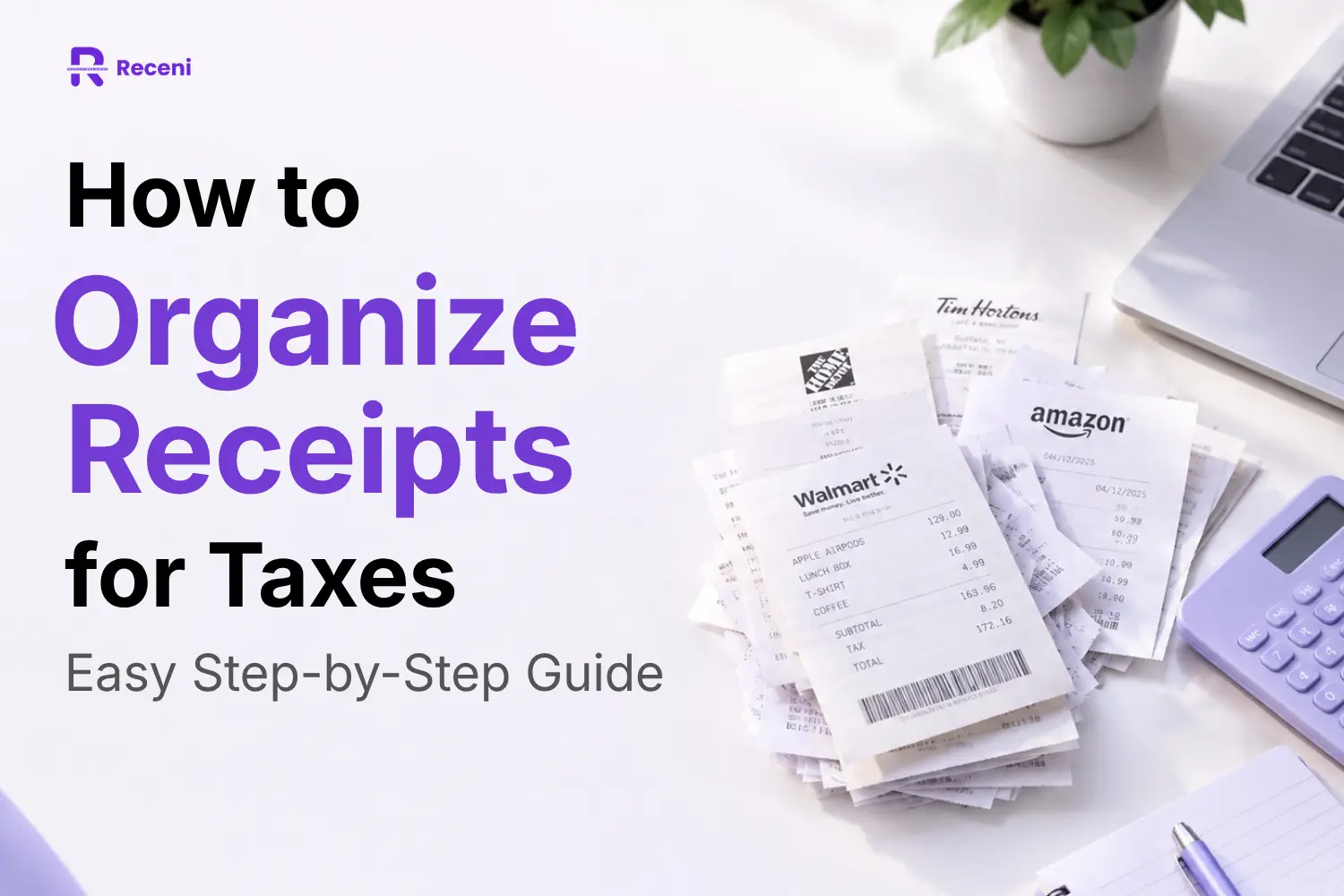
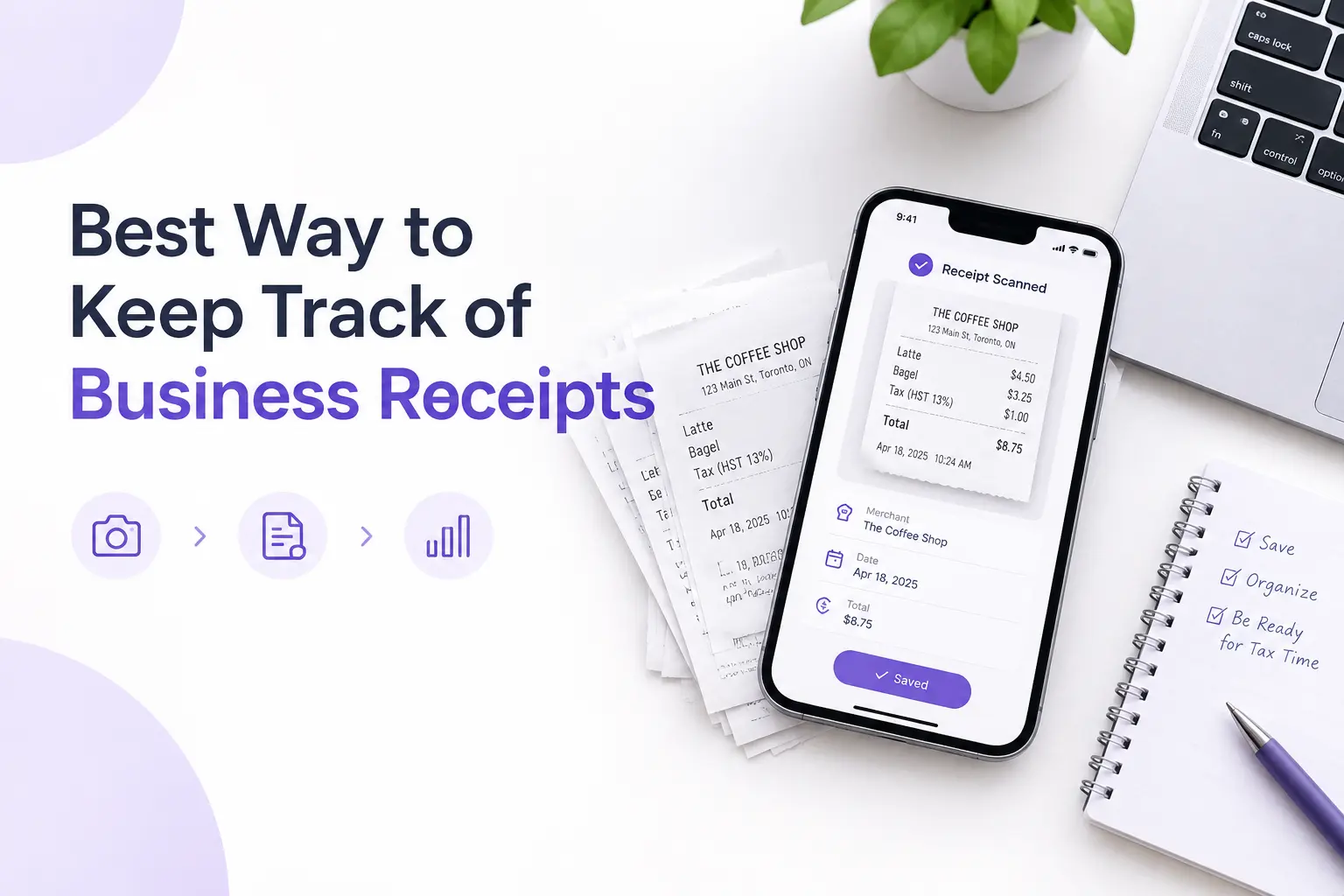
Do not wait until the end of the day to log expenses. By then, you have already forgotten the small ones. The best household expense tracker app lets you scan receipts the moment you get them. You snap a photo, and the app reads the receipt instantly, extracting the merchant, date, total, and items automatically. No typing, no forgetting.
This is especially important for grocery spending. A weekly grocery run might cost $150, but without scanning the receipt, you will not remember whether that included $30 in snacks and impulse buys. When you scan and categorize every receipt, those patterns become obvious.
3. Separate Your Spending into Clear Categories
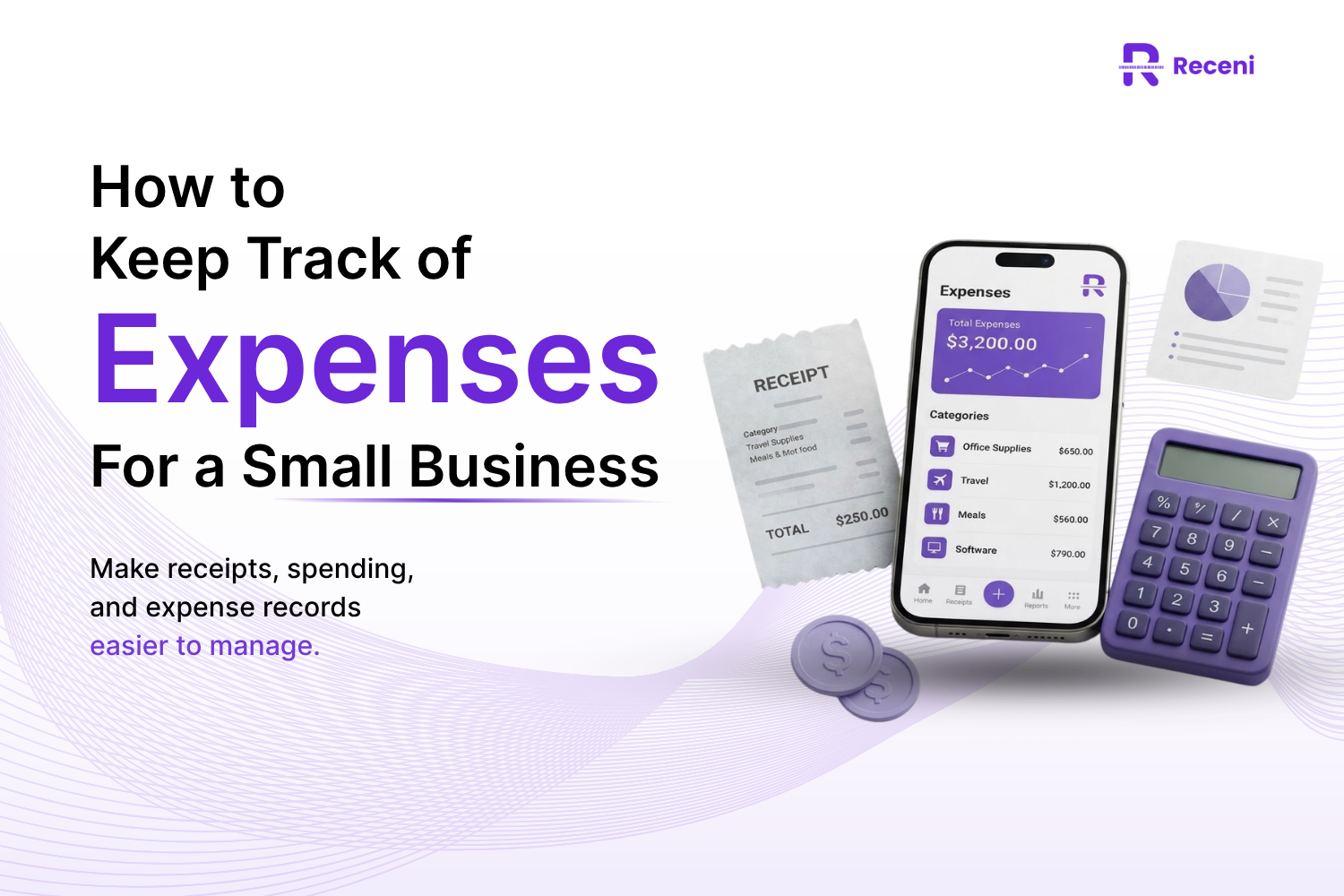
Effective home expense management starts with knowing what you spend by category. Common household expense categories include housing (rent/mortgage, insurance, property tax), utilities (electric, gas, water, internet), groceries and food, transportation (gas, maintenance, parking), subscriptions and memberships, healthcare, personal care and household supplies, entertainment and dining out, and childcare or education.
The best home expense tracking software will suggest categories automatically. You review, adjust if needed, and save. Over time, the app learns your habits and categorization becomes almost hands-free.
4. Set Monthly Budgets by Category
Tracking alone is not enough. You also need limits. A good household budget app lets you set a monthly budget for each category and alerts you when you are getting close.
For example, if your grocery budgeting goal is $600 per month for a family of two, the app should notify you when you hit $450 so you can adjust for the remaining weeks. This is the difference between reactive budgeting (discovering you overspent after the fact) and proactive control.
5. Review Weekly, Not Monthly
A monthly review is too late. By the time you look at your numbers, the money is already spent. Set aside 10 minutes every Sunday to check your spending against your budget. Look for anything that seems off. Are groceries running higher than planned? Did a subscription price increase? Are small daily purchases adding up faster than expected?
Weekly reviews take minutes but save hundreds over time.
How to Spend Less on Groceries
Grocery spending is the single biggest variable expense for most households, and the one where small changes have the most impact. Here is how to spend less at the grocery store without sacrificing the quality of what you eat.
Plan Your Meals Before You Shop
Meal planning is the most effective grocery saving strategy. When you know exactly what you are cooking for the week, you buy only what you need. No wandering the aisles. No impulse purchases. No food rotting in the back of the fridge because you forgot you bought it.
A simple approach: plan five dinners for the week, build your grocery list from those recipes, and check your pantry before you leave. This alone can cut grocery spending by 20% or more for most families.
Shop Your Pantry First
Before heading to the store, take inventory of what you already have. Most households have enough staples on hand to cover at least a few meals. Using what you have before buying more reduces waste and lowers your bill.
Compare Cost Per Unit, Not Sticker Price
A larger package often has a lower cost per unit, but not always. Train yourself to look at the unit price on the shelf tag rather than the total price. This one habit helps you consistently choose the better deal.
Buy Seasonal and Buy Staples
Seasonal produce is cheaper and fresher. Staples like rice, beans, lentils, oats, and potatoes are affordable, nutrient-dense, and versatile. Swapping meat for plant-based protein a few times a week can save $30 to $50 a month without any real sacrifice.
Track Every Grocery Receipt
This is where your home expense tracker app makes the biggest difference. When you scan every grocery receipt, you build a history of exactly what you spend and where. After a few weeks, patterns emerge. You might discover you spend $60 a month on snacks, $40 on drinks you could make at home, or $25 on items you throw away before using.
You cannot fix what you cannot see. Scanning receipts makes the invisible spending visible.
Set a Weekly Grocery Budget (Not Monthly)
A monthly grocery budget feels abstract. A weekly one feels real. If your goal is $600 a month, break it into $150 per week. Check your household budget tracker every Sunday. If you spent $170 this week, you know you need to spend $130 next week. This kind of weekly adjustment is what keeps people on track.
What to Look for in a Home Budget App
Not all budget apps are built the same. Here are the features that matter most for managing household expenses.
Receipt scanning. The app should let you snap a photo of any receipt and automatically extract the data. This is the foundation of effortless expense tracking. Without it, you are back to typing everything manually.
Automatic categorization. The app should sort expenses into categories based on the merchant and purchase type. Manual categorization is tedious and most people stop doing it after a week.
Budget tracking with alerts. Setting limits is useful, but only if the app tells you when you are close. Look for budget alerts that notify you before you overspend, not after.
Multiple accounts. A good home budget app for couples or families should support multiple accounts so each person can track their spending separately while contributing to the same household view.
Offline mode. You should be able to scan receipts and log expenses even without an internet connection. The data syncs when you are back online.
CSV export. For tax preparation or sharing data with a financial advisor, one-tap export to CSV keeps things simple.
Free plan. The best free home budget app should include core features like receipt scanning, categorization, and budget tracking without requiring a credit card. You should be able to test the app fully before deciding to pay.
Multi-currency support. If your household includes international purchases or travel, the app should handle multiple currencies automatically.
Simple interface. The best household budget app is one you actually use. If the app is cluttered, slow, or confusing, you will abandon it within a week. Look for something clean and intuitive, an easy home budget app that does not feel like work.
Home Budget App vs. Spreadsheet: Which Is Better?
Many people start with a simple home budget spreadsheet or a simple home budget template in Excel. Spreadsheets work for a while, but they come with real limitations.
Spreadsheets require manual data entry for every single transaction. They do not scan receipts. They do not send budget alerts. They do not categorize automatically. And when multiple family members need access, version control becomes a mess.
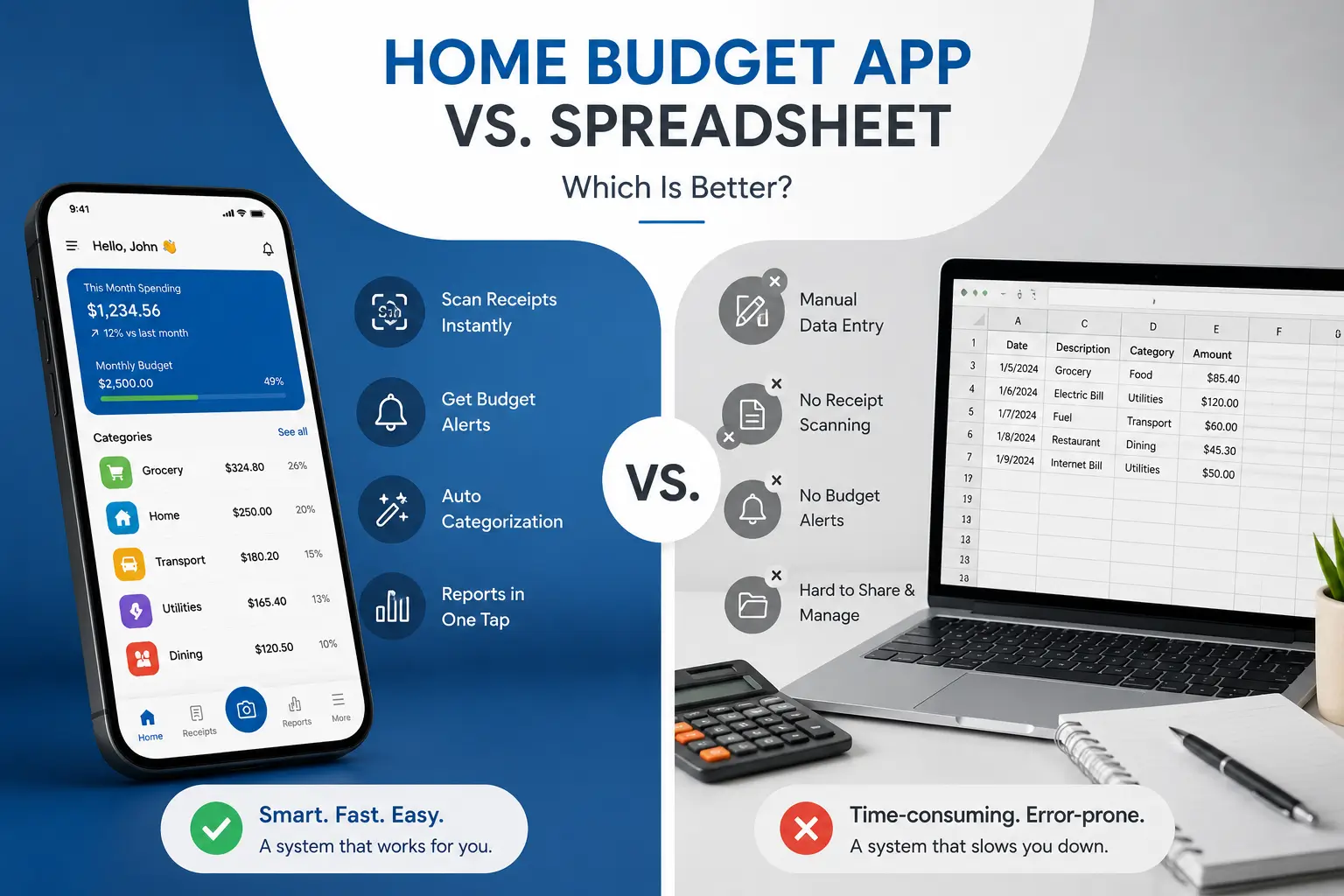
A household expense tracker app automates the tedious parts. Scan a receipt, and the data appears instantly. Spend close to your limit, and you get a notification. Want a report? Export it in one tap.
Spreadsheets are fine for getting started. But if you want a system that actually sticks long-term, a dedicated home expense management app is the better choice.
How to Build a Household Budget That Actually Works
Here is a step-by-step approach that works for singles, couples, and families.
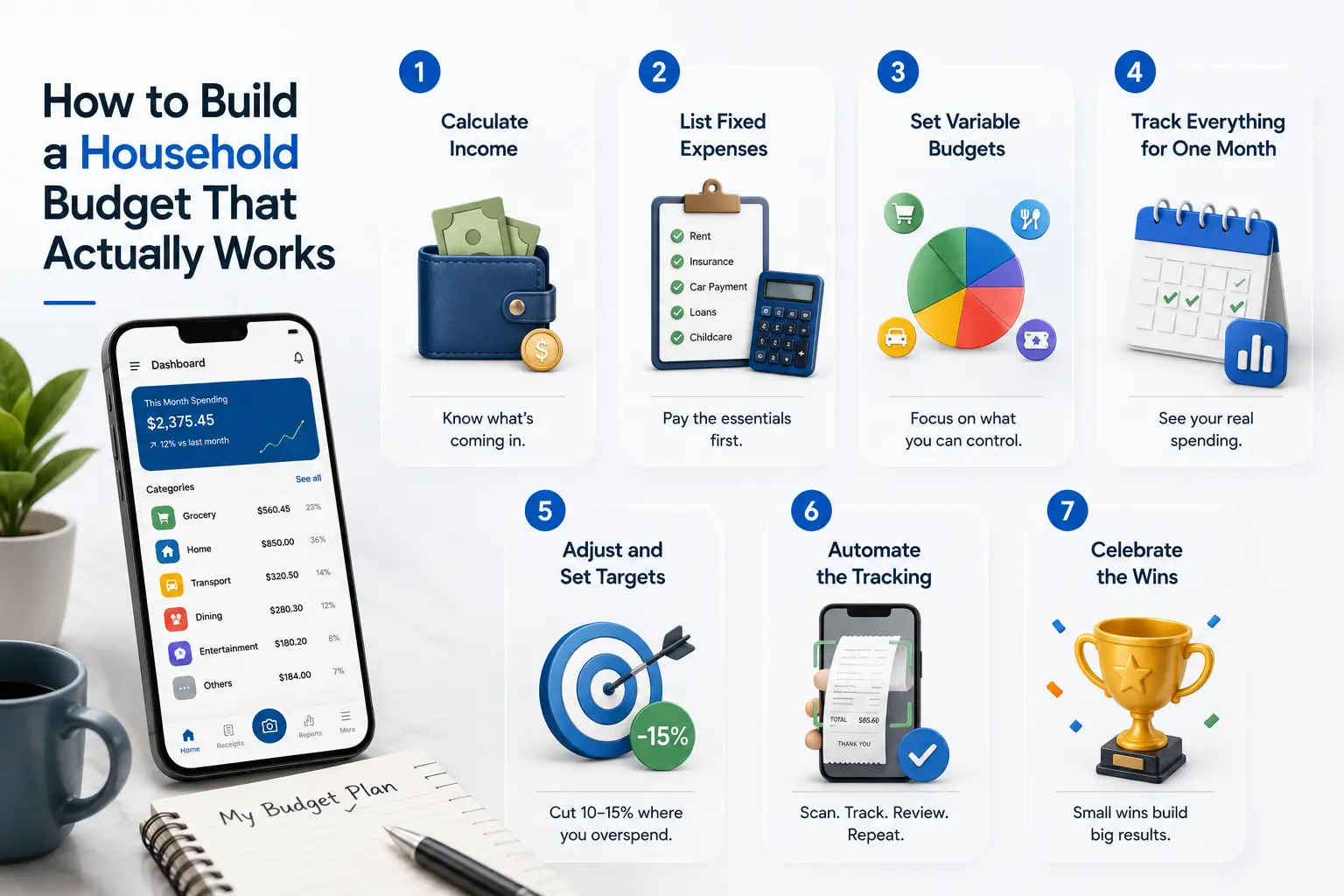
Step 1: Calculate your total household income. Include all sources: salaries, freelance income, side gigs, rental income, and anything else that comes in regularly.
Step 2: List your fixed expenses. Rent or mortgage, insurance, car payment, loan payments, childcare. These are the same every month and come off the top first.
Step 3: Set variable expense budgets. Groceries, dining out, transportation, entertainment, personal care. These are the categories you can actually control. Use your home expense app to set limits for each one.
Step 4: Track everything for one month. Before you try to cut spending, spend one month just tracking. Let the app collect the data. You need to see your real spending patterns before you can set realistic budgets.
Step 5: Adjust and set targets. After one month of data, you will know exactly where the money goes. Set targets for each category based on what you actually spend, then aim to cut 10% to 15% from the categories where you overspend most (usually groceries, dining out, and subscriptions).
Step 6:Automate the tracking. Use your household budget app daily. Scan every receipt. Let the app categorize and track. Review weekly. Adjust monthly. Over time, this becomes a 5-minute habit, not a chore.
Step 7: Celebrate the wins. When you finish a month under budget, notice it. The psychological reward of seeing your savings grow is what makes the habit stick long-term.
Common Home Budgeting Mistakes to Avoid
Setting unrealistic grocery budgets. If you currently spend $800 on groceries, do not set a $400 target. Cut 10% to 15% at a time. Extreme cuts do not last.
Forgetting subscriptions. Streaming services, gym memberships, app subscriptions, cloud storage. These small recurring charges add up quickly. A good home expense tracking software catches all of them.
Not tracking cash expenses. Cash purchases are the easiest to forget and the hardest to track. Scan the receipt or log it manually the moment it happens.
Only one person tracking. If you share household finances, both partners need to use the app. A family budget app that supports multiple users makes this seamless.
Giving up after one bad month. Everyone overspends sometimes. A bad month is data, not failure. Look at what happened, adjust, and keep going.
Manage Household Expenses Without the Stress
Managing household expenses does not have to mean hours with a calculator and a pile of receipts. The right household budget app does the heavy lifting: scanning receipts, categorizing spending, tracking budgets, and alerting you before you overspend.
Whether you are trying to track home expenses more accurately, figure out how to spend less on groceries, or simply get a clear picture of where your money goes each month, the process is the same. Pick a tool, track consistently, review weekly, and adjust as you go.
The families that stay on budget are not the ones with the most discipline. They are the ones with the best systems. A simple, reliable home expense tracker like Receni turns budgeting from a stressful monthly chore into a quick daily habit. Scan a receipt in 3 seconds, let the app categorize it, and see exactly where you stand against your budget in real time.
Start scanning your receipts. Start tracking your spending. The clarity alone is worth it, and the savings that follow make it one of the best financial decisions you can make for your household.