
Long hauls,short paperwork
Fuel stops, toll booths, truck-stop dinners, a fan belt in another state — owner-operators collect receipts by the mile. Scan them at the pump and the cab stays paper-free.

Sound familiar?
The paperwork rides shotgun
Receipts scattered across the country
A fuel receipt from Nebraska, a repair invoice from Ohio, tolls from three states — by the time you're home, half of them are faded, crumpled, or gone.
Your rig's real cost is a guess
Fuel, tires, preventive maintenance, surprise breakdowns — without organized records you can't see what the truck actually costs to run, or whether a lane is worth taking.
1099 income, cab-floor records
As an owner-operator, every missed receipt is a missed deduction. A year on the road generates thousands of dollars in deductible expenses — if you can prove them.
The quarterly rhythm
An owner-operator's year runs on deadlines
Trucking paperwork arrives four times a year whether the receipts are organized or not. IFTA quarters close April 30, July 31, October 31, and January 31 — and estimated taxes keep nearly the same beat.
- Apr 30
Q1 IFTA closes (and taxes just did)
Two filings inside three weeks. Fuel receipts scanned at the pump all quarter mean the receipts half of your IFTA records — and your deduction records — already exist. Receni stores the receipts; your IFTA service or software does the state-by-state math.
- Jul 31
Q2 closes mid-summer
Peak produce season means more loads, more fuel stops, more scale tickets. High-mileage quarters are exactly when paper gets lost in the cab.
- Oct 31
Q3 closes before the holiday push
File before freight season peaks. A dashboard glance shows the quarter's maintenance spend — worth knowing before winter starts breaking things.
- Jan 31
Q4 closes, tax season opens
The full year's records matter now. Fuel-tax records generally need to be kept for years after filing — receipts stored as scanned images don't fade like glovebox thermal paper does.
Road write-offs
What owner-operators commonly deduct
Almost everything the truck consumes is a business expense. The hard part was never the rules — it's that the proof is scattered across three hundred fuel stops a year.
Fuel
The biggest line by far. Scan the pump receipt before pulling out — dated, itemized records serve both your deductions and the receipts side of IFTA recordkeeping.
Maintenance & repairs
PMs, tires, the roadside call in the middle of nowhere. Shop invoices scan like any receipt; cash roadside fixes go in as manual entries.
Tolls & scales
Toll statements, CAT scale tickets, lumper fees. Small, constant, forgettable — and real money over a year of loads.
Insurance & permits
Liability, cargo, physical damage, plus permits and heavy-use taxes. The big annual lumps that define your fixed cost per mile.
Meals on the road
Away-from-home meals have their own tax rules (per diem or actuals). Keep the receipts either way; your preparer picks the method.
Communications & subscriptions
Phone, ELD service, load boards, navigation. The monthly stack that keeps the truck earning.
Truck payments & depreciation
How the tractor itself hits your taxes is preparer territory — your job is the paper trail on every payment and improvement.
Lodging & showers
Motel nights and travel-plaza showers on the road. Scan them with the fuel stop and the day's costs stay together.
Every situation is different — what's deductible depends on how you work. Receni keeps the records; your tax professional makes the call.
How Receni helps
Built-in answers for trucking
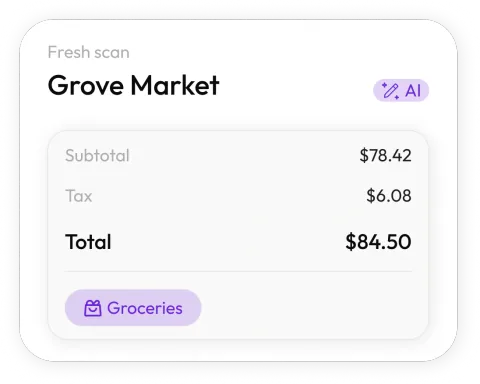
Scan at the pump
Snap the receipt before you pull away. Receni's AI reads merchant, date, total, and category in seconds — no typing in the cab.

A workspace per truck
Running more than one rig, or splitting business from personal? Each truck gets its own space with its own history and export.
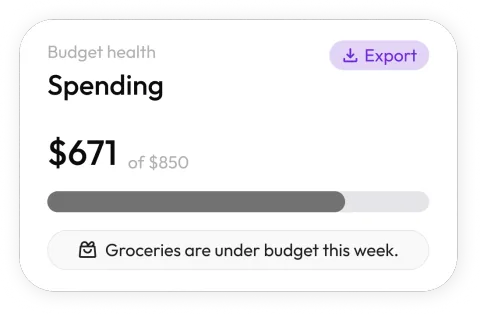
See what the road costs
Dashboards break spending down by category and month — fuel versus maintenance versus meals — so you know where the money goes between settlements.

A maintenance fund with teeth
Set a monthly budget for repairs and tires. When a category runs hot, you see it before the next breakdown decides for you.
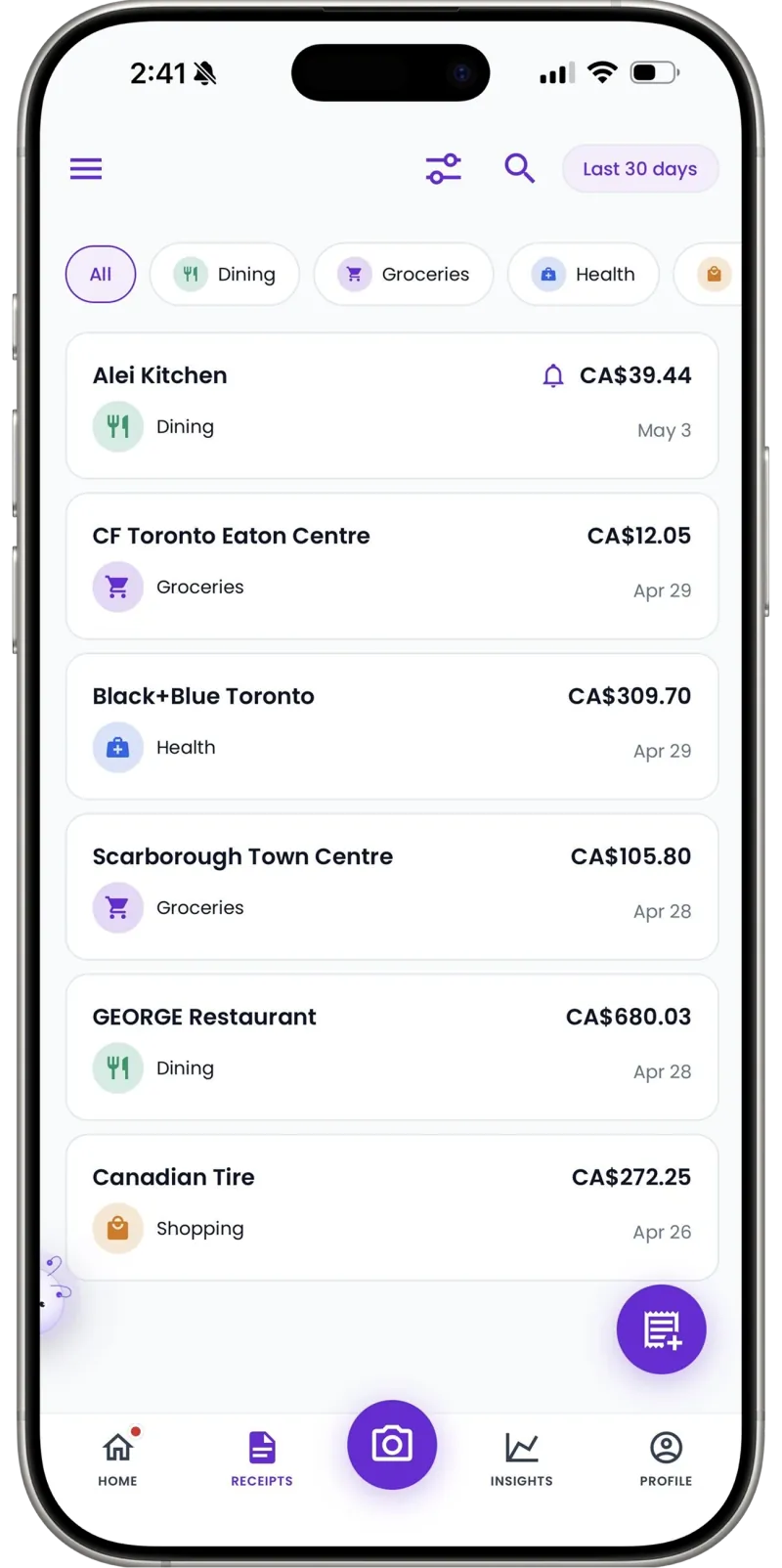
Settlement-to-Schedule-C ready
Export the year's categorized expenses as a clean CSV for your tax preparer — every fuel stop and repair itemized, no shoebox.
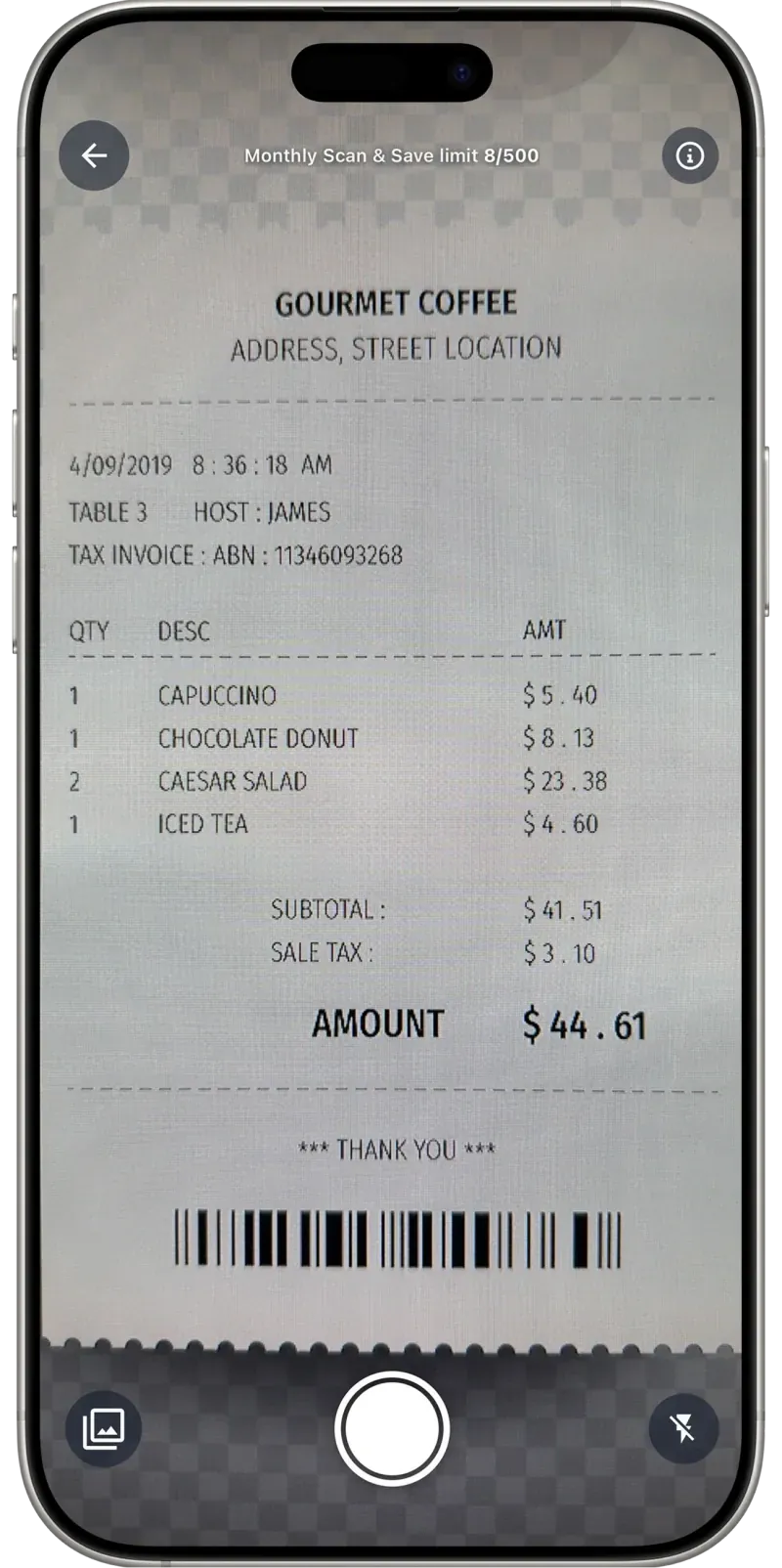
Cross-border hauls covered
Fueling in Canada or Mexico? Receipts record in the currency you paid, so cross-border runs don't scramble your records.
30
Free AI scans a month — enough to trial a real long haul
Unlimited
Manual entries for cash tolls and scale tickets on every plan
1 tap
CSV export at tax time
I used to keep a rubber-banded wad of fuel receipts above the visor and pray at tax time. Now I scan at the pump and my preparer gets one clean file. First year I haven't left deductions on the table.
FAQ
Trucking questions, answered
Receni doesn't file IFTA for you, but it keeps every fuel receipt captured with date, merchant, and amount, and exports them as a CSV — clean source records for whoever prepares your IFTA returns.
More industries
Receni works your way, whatever the work
Ready when you are
Scan it at the pump. Deduct it in April.
Download Receni free and capture your next fuel stop in seconds.