
Every part accounted for,every install
Between service calls, installs, and warranty work, parts receipts stack up fast. Scan them as they happen and each breaker, coil, and filter lands on the job that used it.

Sound familiar?
The costs that slip between service calls
Multi-stop days, mixed-up slips
Two installs and three service calls means five stacks of parts receipts in one van. Sorting them a week later from memory is how job costing goes wrong.
Material prices move constantly
Wire and refrigerant prices swing month to month. Without your own purchase history, you're quoting today's jobs on last season's costs.
Warranty work hides its cost
Callbacks and warranty repairs consume parts that never get billed. If they're not tracked, your 'profitable' month quietly isn't.
The service year
Demand swings; your records shouldn't
Few trades whipsaw like HVAC and electrical service work — flooded with emergency calls two seasons a year, quoting installs in between. Each phase leaves a different paper trail.
- Mar–May
Pre-summer installs
AC replacements and panel upgrades get quoted and booked. Your own purchase history from last season is the sharpest quoting data you own — if last season got scanned.
- Jun–Aug
Emergency season, round one
Back-to-back calls, multiple supply stops a day, five stacks of slips in one van. Ten seconds at the counter keeps each receipt on the call that caused it.
- Sep–Oct
The shoulder
Furnace tune-ups and the catch-up month. Review the warranty workspace now — callbacks that consumed parts all summer show their real cost here.
- Nov–Feb
Emergency season, round two
Heating failures don't schedule themselves. Cash purchases at whatever supplier is open go in as manual entries before the next call.
How Receni helps
Built-in answers for electricians & hvac
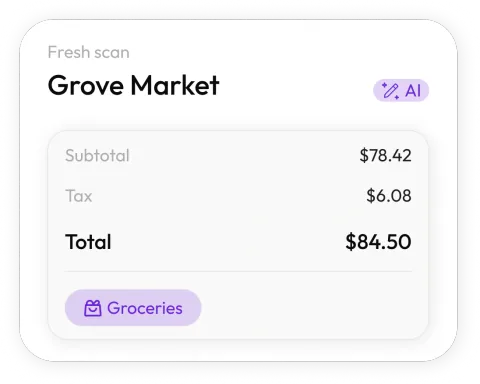
Scan before you leave the counter
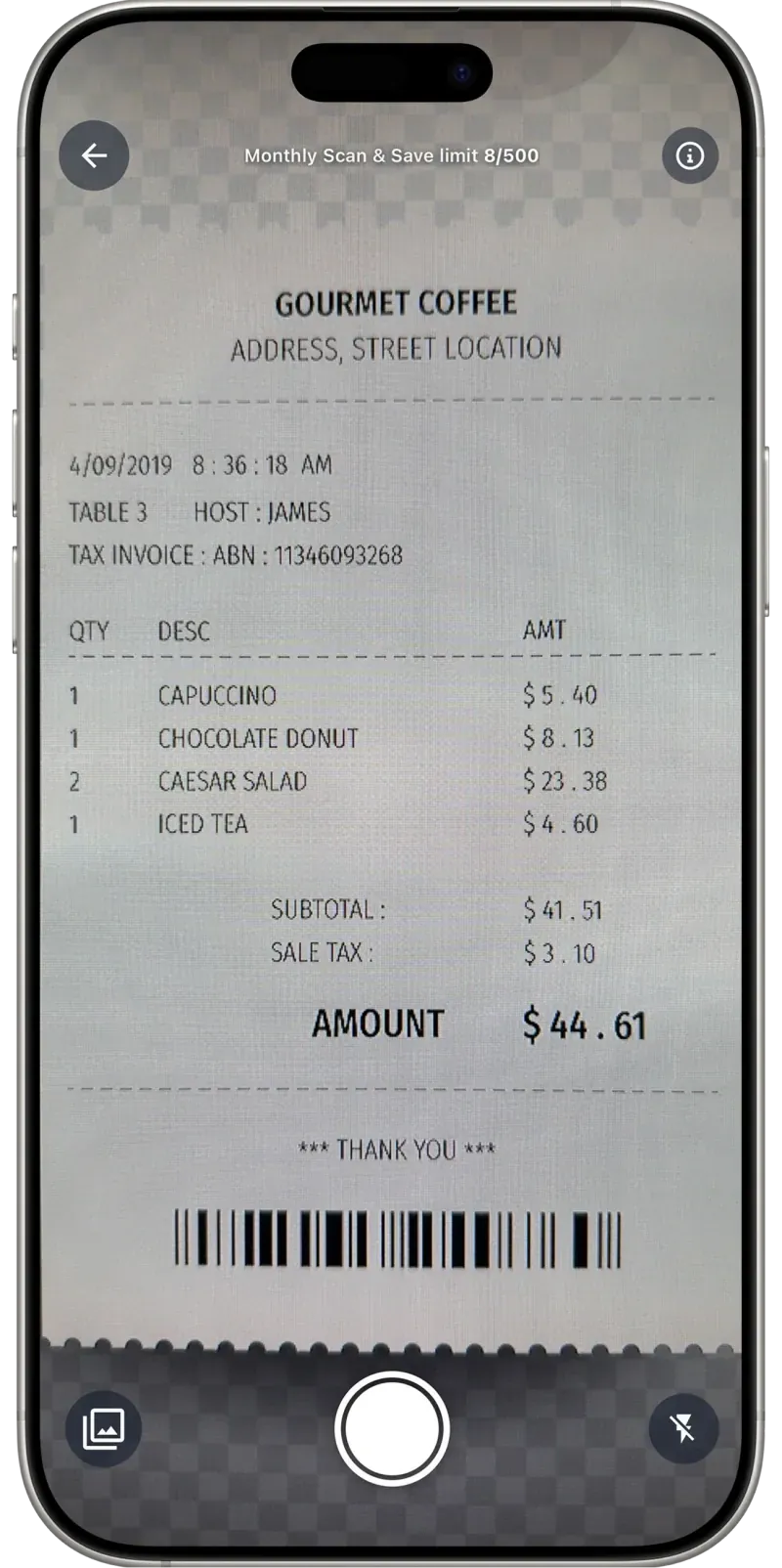
Receni's AI reads the itemized supply slip in seconds — merchant, date, total, category. Confirm on your phone and head to the next call.
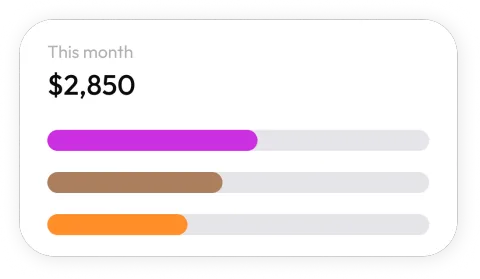
Installs, service, and warranty — separated
Run a workspace per big install and one for service work. Warranty callbacks get their own bucket, so their true cost stops hiding.
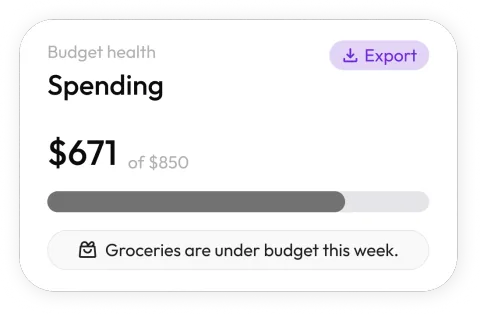
Your own price history
Category dashboards show what you actually paid for materials over time — real data for sharper quotes as prices move.

Monthly limits on the leaky categories
Fuel, small tools, van stock — set budgets on the categories that creep and see them fill in real time.
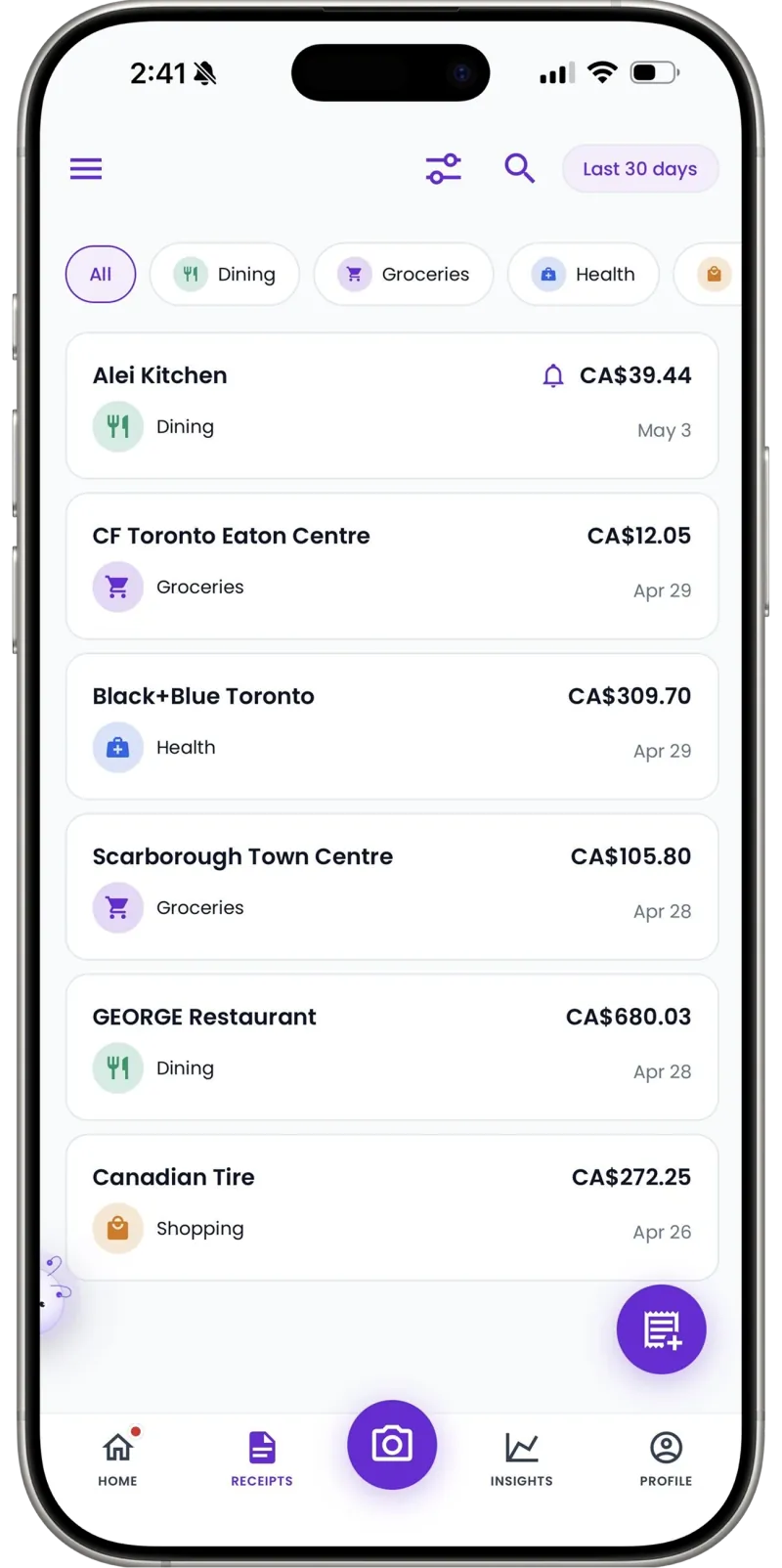
One export at month end
Your bookkeeper gets a clean CSV per workspace instead of a glovebox archive. Every line dated, categorized, and readable.
Cross-border supply runs covered
Buying specialty parts across a border or online in another currency? Receipts record in the currency you paid.
Warranty work is the quietest cost in the trade
A callback consumes a capacitor, an hour of drive time, and half a morning — and bills nobody. Most operations track billed jobs carefully and warranty work not at all, which means the month's 'profit' includes a leak no report will ever show. It's the rare cost that's invisible precisely because no invoice goes out.
Give warranty and callback work its own workspace and scan its parts like any job. Some operators find it's a rounding error; others find it's eating a full point of margin. Either way, you stop guessing — and you learn which equipment brands and which kinds of installs keep sending the van back out.
30
Free AI scans per month on the Free Forever plan
Per install
Workspaces keep each project's parts separate
CSV
Export your accountant can open directly
Callbacks were my blind spot — parts going out the door with no job attached. Giving warranty work its own workspace showed me it was eating a full point of margin.
FAQ
Electricians & HVAC questions, answered
Yes. Create a workspace per major install, keep one for day-to-day service calls, and scan each receipt into the right one. Every workspace has its own totals, budgets, and export.
More industries
Receni works your way, whatever the work
Ready when you are
Wired for work, not paperwork.
Download Receni free and put today's parts receipts where they belong — on the job.