
Green thumbs,clean books
Nursery runs at dawn, fuel stops between properties, a blade that gave out mid-season. Scan each receipt as it happens and your real cost per property stops being a guess.

The growing year
Eight months of earning, twelve months of spending
Most of a landscaping year's revenue lands between April and October — but the costs never stop. The off-season is exactly when last season's records earn their keep.
- Mar–May
Spring rush
Cleanups, mulch by the yard, plant installs, crew ramp-up. The heaviest receipt volume of the year hits when there's zero desk time — scan at the nursery gate and move.
- Jun–Aug
Maintenance season
Weekly routes, fuel for truck and machines, trimmer line by the spool. Steady small costs that decide per-property margin — capture them and the routing decisions make themselves.
- Sep–Nov
Fall cleanup & last installs
Leaf runs, aeration, the last hardscape jobs racing the frost. Equipment starts failing after a hard season; repair receipts belong in the overhead workspace.
- Dec–Feb
The gap (and the paperwork)
Snow contracts if you run them, equipment rebuilds, and tax prep. If the season was scanned as it happened, winter bookkeeping is an export — not a shoebox excavation.
Sound familiar?
Where the season's profit gets buried
High season, zero desk time
From spring cleanups to fall leaf runs there's no afternoon for paperwork. Receipts pile up in the truck all season and get 'dealt with' in the off-season — badly.
One run, three properties
One nursery run supplies three properties. Unless it's split when it happens, nobody can say later which client's job actually made money.
Equipment quietly bleeds cash
Trimmer line, blades, oil, repairs — small equipment costs feel invisible until year end, when they turn out to be a real number nobody budgeted.
How Receni helps
Built-in answers for landscaping
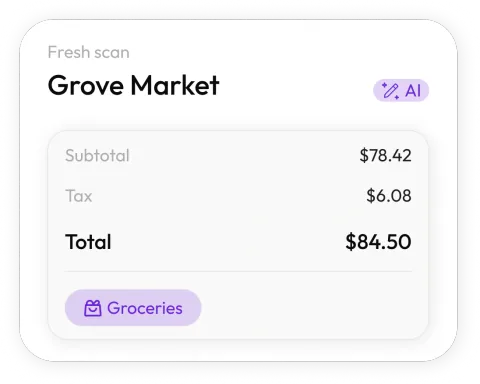
Scan at the nursery gate
Snap the receipt while they load the truck. Receni's AI reads merchant, date, total, and category before you're out of the parking lot.

A workspace per property or crew
Keep the Hartley property separate from the HOA contract, and equipment overhead separate from both. Per-client profitability becomes visible.

Season budgets that hold
Set monthly limits for fuel, materials, and equipment. Watch them fill week by week instead of finding out in November.
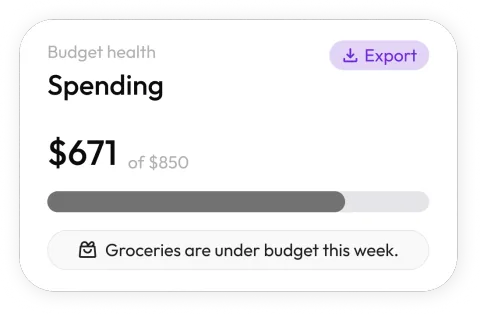
See the season in one view
Dashboards show spend by category and month — fuel spikes, material creep, and the true cost of that aging mower, all in one place.
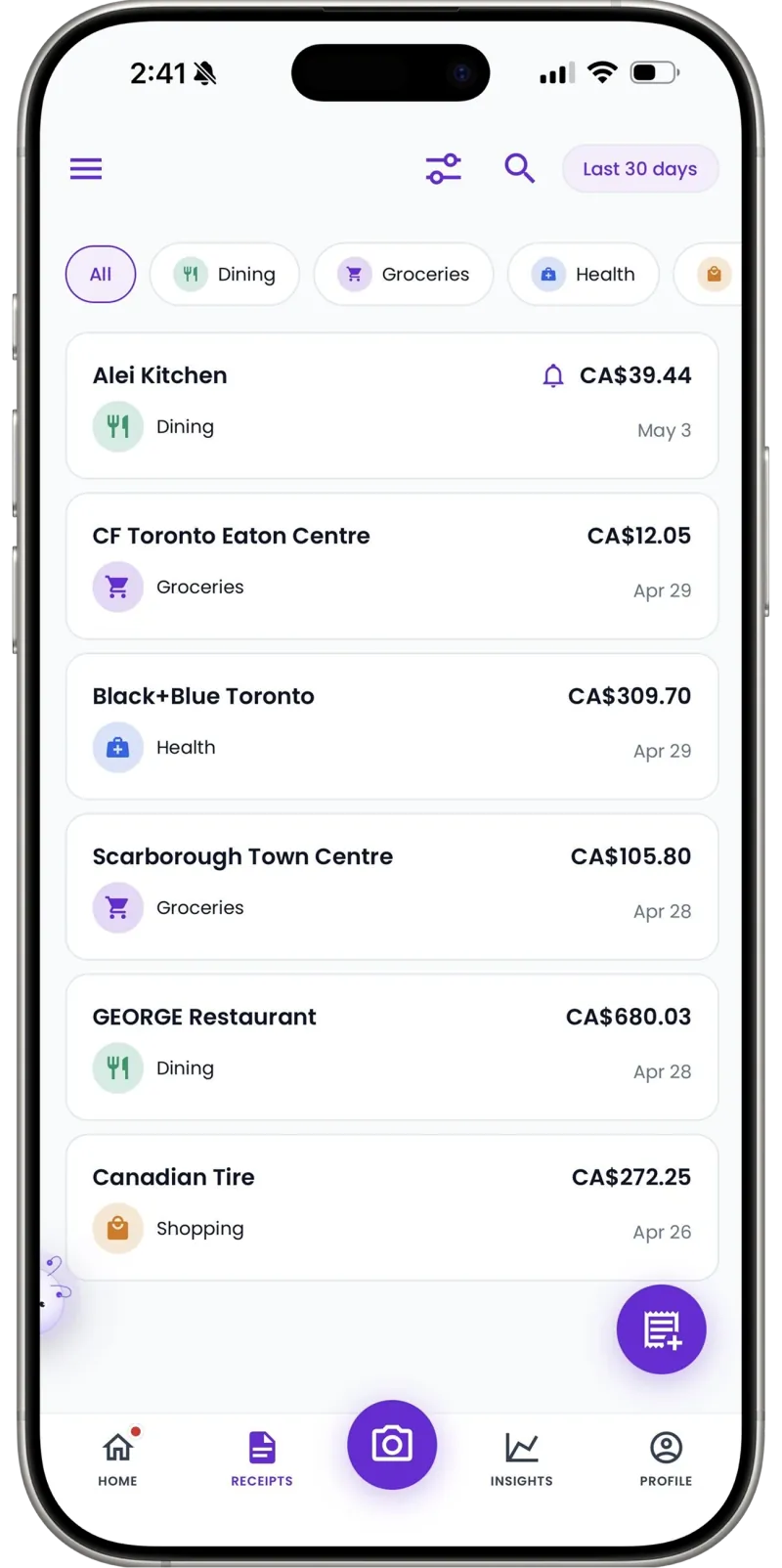
Off-season taxes, on-season records
When tax time comes, export a CSV per workspace. The winter paperwork marathon becomes an afternoon.

Cash purchases still count
Farmers-market plants or a cash repair get added manually in seconds — records stay complete even without a slip.
Green-industry write-offs
What landscapers commonly deduct
One distinction most crews miss: fuel for mowers and machines is a separate deduction from truck fuel — and equipment fuel stays deductible even if you take the per-mile rate on the truck. Separate receipts make the distinction free.
Equipment fuel
Every red-can fill for mowers, trimmers, and blowers. Ask for the receipt at the pump and scan it to equipment — not vehicle — costs.
Machines & attachments
Mowers, aerators, blowers, the trailer that hauls them. Big buys may be expensed or depreciated; the dated receipt keeps both options open for your preparer.
Plants & materials
Nursery stock, mulch, stone, fertilizer — job materials tied to the property that used them via workspaces.
Consumables & repairs
Trimmer line, blades, oil, belts, the mid-season shop visit. The invisible category that turns out to be a real number every November.
Truck costs
Fuel, tires, maintenance on the work truck. Receipts scan like anything else; if you deduct per-mile instead, keep the mileage log separately — Receni doesn't track miles.
Crew & subcontract help
Seasonal labor and subcontracted work are business costs. Record what you pay; the payroll paperwork stays with your tax pro.
Insurance & licenses
Liability coverage, pesticide applicator licenses, local permits — the annual lumps that vanish from memory by filing time.
Dump & disposal fees
Green-waste tipping fees, often paid in cash at the gate. A ten-second manual entry saves each one.
Every situation is different — what's deductible depends on how you work. Receni keeps the records; your tax professional makes the call.
30
Free AI scans a month — covers a trial through peak season
Per client
Workspaces make per-property profit visible
1 tap
CSV export when tax season replaces mowing season
I always knew fuel was bad, but seeing it by month next to materials changed how I route the crews. And April taxes went from a shoebox weekend to one export.
FAQ
Landscaping questions, answered
Scan the receipt into the primary property's workspace, then add manual entries for the portions that belong to other properties. You review every scan before saving, so splits stay accurate.
More industries
Receni works your way, whatever the work
Ready when you are
Grow the business. Prune the paperwork.
Download Receni free and scan this week's nursery and fuel receipts into the right properties.