
Sell everywhere,account for everything
Inventory from one supplier, mailers from another, software renewals and sample orders in between. Scan each receipt as it lands and your store's true margin stays visible.

Sound familiar?
Revenue is easy to see. Costs aren't.
Margin hides in the small stuff
Your storefront shows sales beautifully — but mailers, tape, sample orders, and app subscriptions live in inboxes and card statements. Untracked, they quietly decide whether you're actually profitable.
Suppliers in three currencies
Stock from overseas, packaging domestic, software billed in dollars-or-euros — when purchases arrive in different currencies, most spreadsheets give up.
Digital receipts, scattered inboxes
Order confirmations bury themselves across email accounts and platforms. Come tax season, reconstructing a year of purchases is an archaeology project.
How Receni helps
Built-in answers for e-commerce
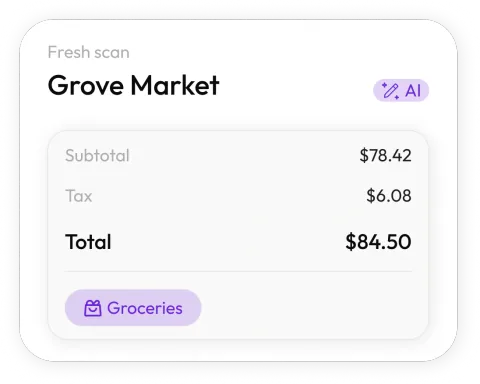
Scan paper or screenshots
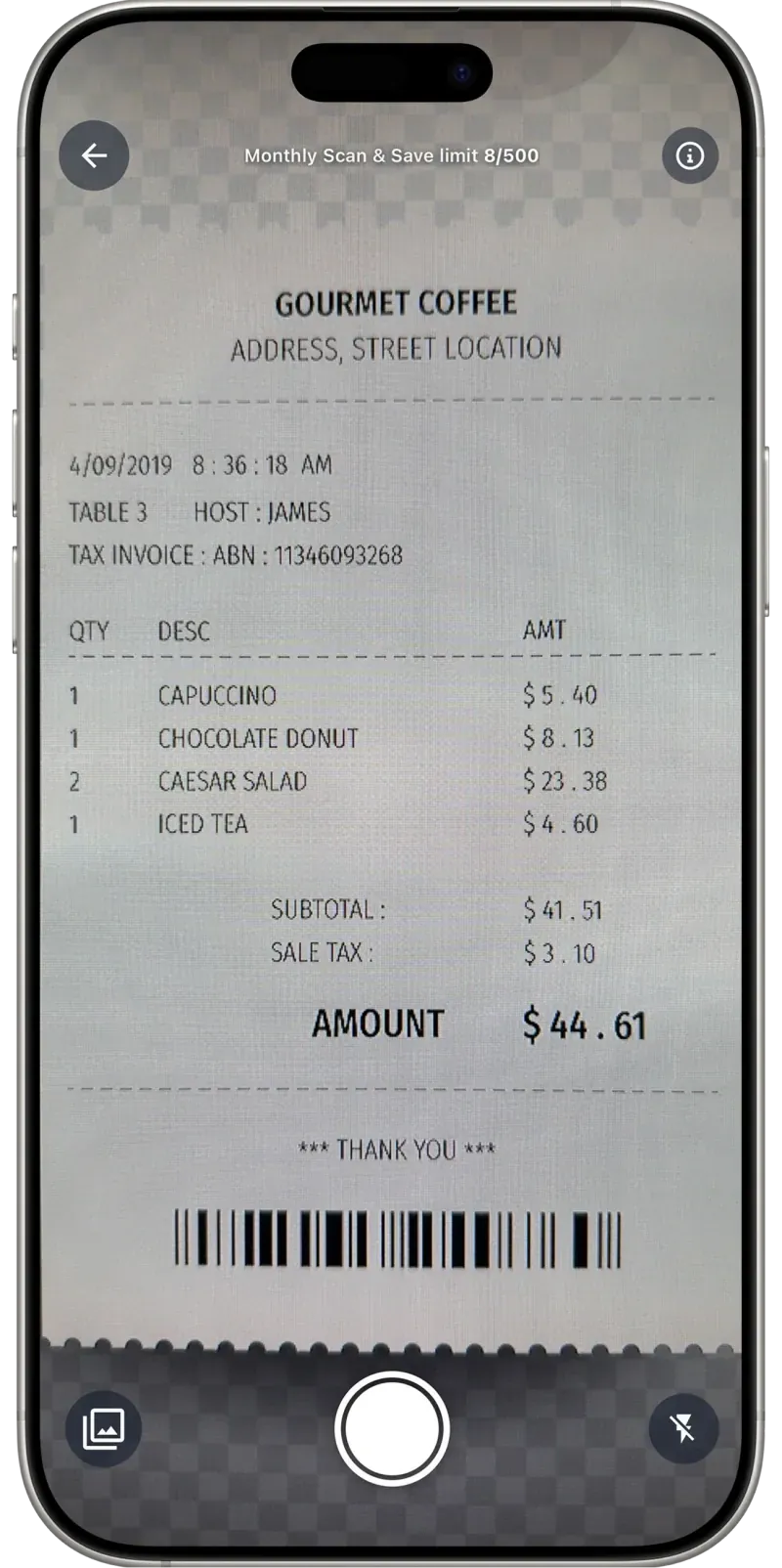
Supplier invoice, packing slip, or an email order confirmation — screenshot it and Receni's AI reads merchant, date, total, and category in seconds.
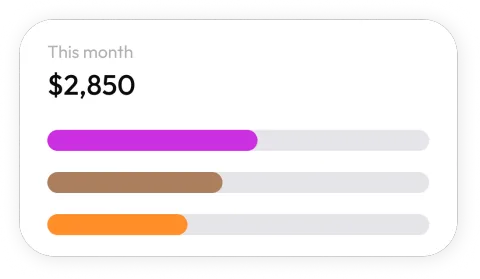
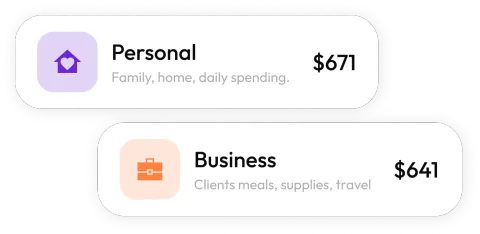
A workspace per store
Run more than one shop or brand? Each gets its own space, so every store's costs — and its margin — stand on their own.
See spending by category
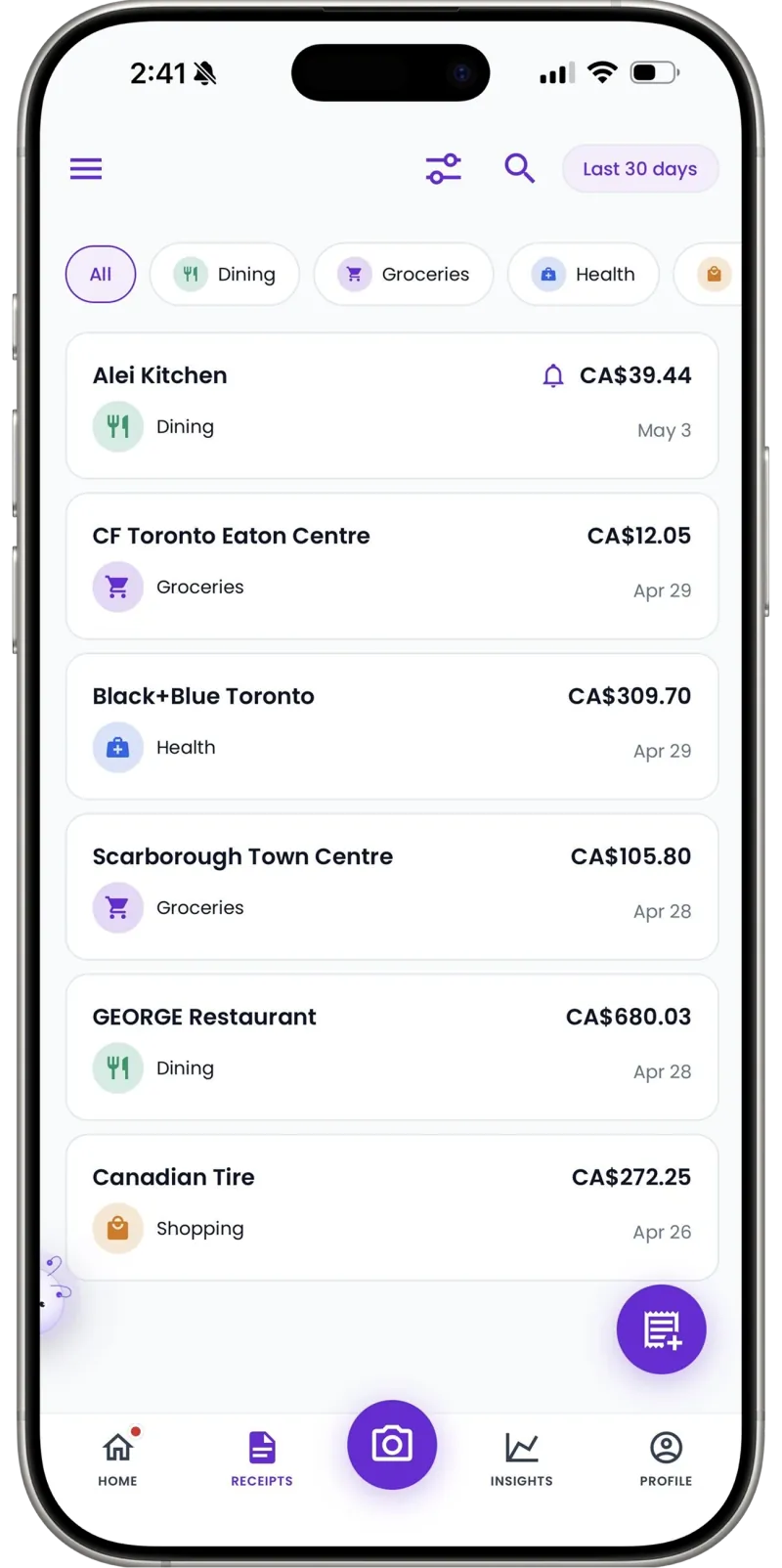
Inventory, shipping, ads, software — dashboards show where the money went each month, so you know which costs are creeping.
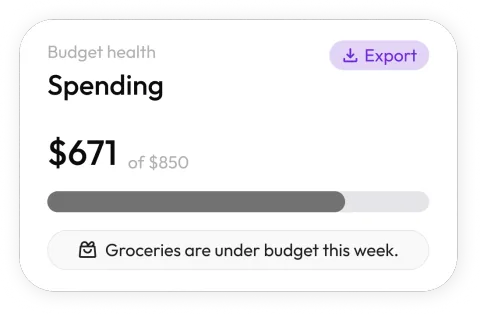
Budgets for the restock cycle
Set monthly limits for inventory and supplies. Before a big restock, you know exactly how much room the month has left.
Overseas suppliers, native currency
Purchases in other currencies are recorded as you paid them, so international supplier orders don't scramble your books.
One CSV per store, tax-ready
Export categorized purchases as a clean CSV per store or per year — itemized data your accountant can work with directly.
The seller's year
E-commerce spends before it earns
Every seller knows Q4 is the harvest. Fewer plan for the fact that the harvest is paid for in Q3 — and that the costs of peak season arrive months before the revenue does.
- Jan–Feb
Returns and the reckoning
Return-shipping costs, restocking, and the tax-prep scramble for last year's purchase records. If Q4's receipts were scanned as they happened, January is an export, not an excavation.
- Mar–Jun
Catalog building
Sample orders, product photography, new-listing costs. Samples are the sneakiest spend — small orders on personal cards that never reach the books.
- Jul–Sep
The big inventory bet
Holiday stock gets ordered and paid for now — often from overseas suppliers, often in another currency. This is the quarter that decides Q4's margin; capture every supplier invoice and duty receipt.
- Oct–Dec
Peak season
Mailers by the thousand, extra postage, last-minute ad spend. High volume is exactly when small costs escape — scan the restock receipts as the boxes arrive.
The seller's write-off list
E-commerce costs that commonly count
One distinction does a lot of work here: getting inventory *to* you is usually part of cost of goods sold, while getting orders *to customers* is usually an operating expense. Your accountant sorts the buckets — your job is making sure every receipt exists.
Inventory purchases
The stock itself — supplier invoices, marketplace wholesale orders, customs and duties on imports. The foundation of your COGS number.
Inbound freight
Shipping from supplier to you typically belongs with the cost of the goods. Keep freight receipts attached to the order they moved.
Outbound postage
Label costs and carrier pickups for customer orders — an operating expense, and one that scales with every sale.
Packaging supplies
Mailers, boxes, tape, tissue, thank-you cards. Bought in bulk, forgotten in bulk.
Platform & payment fees
Marketplace subscriptions, listing fees, payment processing. Mostly email invoices — screenshot and scan them monthly.
Advertising
Paid search, social ads, influencer samples. Ad platforms bury invoices three menus deep; pull them while they're fresh.
Software & apps
Store apps, design tools, inventory helpers — the stack renews itself annually whether you remember it or not.
Product photography
Lighting, backdrops, a photographer for the new line. Catalog quality is a business cost, not a hobby cost.
Every situation is different — what's deductible depends on how you work. Receni keeps the records; your tax professional makes the call.
My storefront told me revenue to the penny, but I honestly didn't know my margin. Once every supplier order and mailer restock was scanned into one place, I found two costs that had doubled without me noticing.
30
Free AI scans a month — enough to trial a real restock cycle
Per store
Workspaces keep each brand's costs separate
1 tap
CSV export at tax time
FAQ
E-commerce questions, answered
No — Receni tracks your purchases, not your sales channels. Your platform handles orders and revenue; Receni keeps the cost side (inventory, shipping, software, ads receipts) organized and exportable.
More industries
Receni works your way, whatever the work
Ready when you are
You watch your sales daily. Watch your costs too.
Download Receni free and scan your next supplier order the day it lands.